City guide
Chengdu Travel Guide: Pandas at dawn, hotpot at dusk
Chengdu is the capital of Sichuan and China’s relaxed giant — home of the giant panda research bases, teahouse culture and the country’s boldest cuisine, with the Leshan Giant Buddha an easy day trip away. March–June and September–November are the best times to visit.
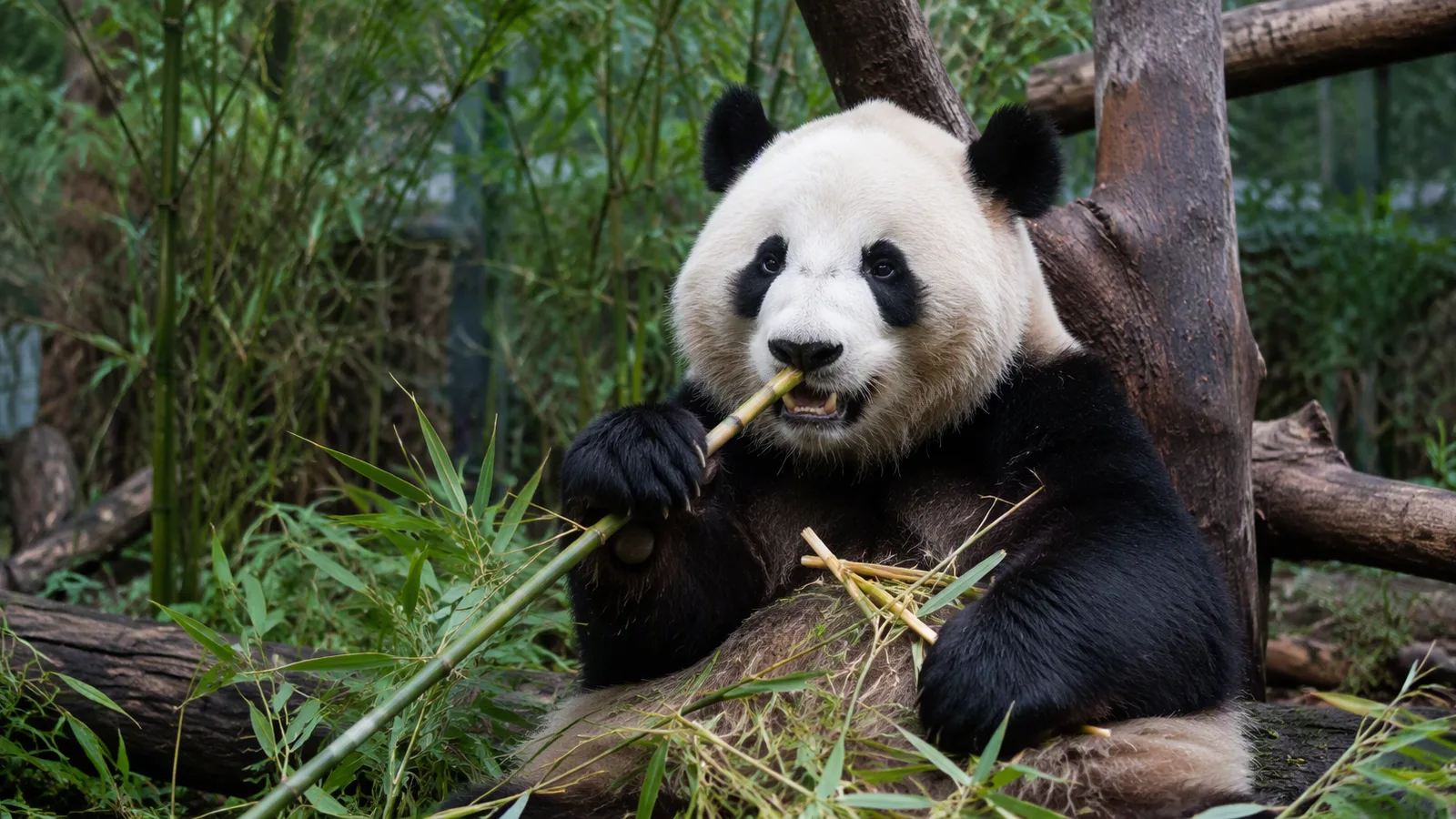
Chengdu at a glance
| Timezone | CST (UTC+8) |
|---|---|
| Currency | Renminbi (CNY, ¥) |
| Languages | Mandarin, Sichuanese dialect |
| Population | 21 million |
| Coordinates | 30.5728, 104.0668 |
Why visit Chengdu
Chengdu does two things better than anywhere else on earth: giant pandas and taking it easy. The research bases on the city’s edge house the world’s largest population of captive pandas, while the town itself runs on teahouse time — long afternoons over lidded cups, mahjong and gossip. Around both sits Sichuan’s famous kitchen, where hotpot is a way of life and the peppercorn’s numbing tingle is a point of pride. Add the Sichuan opera, easy day trips to a 71-metre carved Buddha and a 2,250-year-old irrigation system, and Chengdu earns its place on any China route.
Top sights in Chengdu
The Chengdu Research Base of Giant Panda Breeding (¥55) is the headline: go at opening time (around 7.30am) when the pandas are active and feeding — by midday they are asleep. Metro line 3 plus a shuttle bus, or a direct tourist bus, gets you there in about 40 minutes from the centre. Back in town, People’s Park hosts the city’s most famous teahouse scene; Wenshu Monastery (free) pairs serene courtyards with a beloved vegetarian restaurant; and the restored lanes of Kuanzhai Alley and Jinli Street handle souvenirs, snacks and evening lanterns. A Sichuan opera show — face-changing, fire-breathing and all — runs around ¥100–200 a ticket. The Du Fu Thatched Cottage (around ¥50) honours China’s beloved Tang-dynasty poet in gardened grounds.

When to visit Chengdu
March to June and September to November suit Chengdu best — mild and relatively dry. The city is famously overcast: winter (December–February) is mild but grey and damp, and summer (July–August) is hot, humid and rainy. Pandas are visible year-round, though they are liveliest on cool mornings. Compare all regions in the month-by-month China weather guide.
Where to stay in Chengdu
Tianfu Square and Chunxi Road form the commercial heart — every metro line, every price band, endless food. The lanes around Kuanzhai Alley offer quieter boutique stays in renovated courtyards from around ¥350. The Wenshu Monastery area is a calm, budget-friendly alternative one metro stop north. Hostel dorms run ¥50–100, mid-range doubles ¥300–550 — noticeably cheaper than Beijing or Shanghai.

Getting there and around
Chengdu has two airports: Tianfu (TFU), the new international hub about 50km out, and Shuangliu (CTU), closer in and mostly domestic — both link to the metro. The city’s metro is modern and still growing (¥2–8 a ride); bikes and Didi fill the gaps cheaply. High-speed trains reach Chongqing in about an hour, Xi’an in three to four, and Guilin’s karst country in around five. For Tibet-bound travellers, Chengdu is the classic jumping-off point — permits and flights or the rail line to Lhasa all arrange from here.
Food and drink in Chengdu
Sichuan food is a two-part sensation: chilli heat plus the citrusy numbness of huajiao peppercorns. Hotpot is the ritual — a bubbling divided pot, platters of sliced beef, offal and vegetables, from ¥80–150 per person. Mapo tofu, dan dan noodles (¥10–15) and chuanchuan skewers cooked table-side cover the rest, and the brave try rabbit heads, a local delicacy. Not everything is fiery: ask for wei la (mild) if you are unsure, and balance meals with the city’s excellent sweet snacks and teahouse culture — a lidded cup of jasmine tea runs ¥15–30, optionally with a traditional ear-cleaning session from the roaming practitioners.
Day trips from Chengdu
The Leshan Giant Buddha — a 71-metre Tang-dynasty statue carved into a river cliff — is about an hour by high-speed train plus a short bus; view it from the riverside path or a boat on the water (entry around ¥80). Dujiangyan combines a still-working 2,250-year-old irrigation system with a second, quieter panda base, reachable by intercity rail in under an hour. Mount Qingcheng, misty birthplace of Taoist temples, pairs naturally with Dujiangyan on the same line.
Chengdu travel costs
Chengdu is the bargain of China’s big four tourist cities. The panda base is ¥55, Wenshu Monastery is free, and the city’s greatest pleasures — teahouses, parks, people-watching — cost almost nothing: ¥15–30 buys a bottomless afternoon of tea. Hotpot runs ¥80–150 per person, but noodle shops and skewer stalls feed you well for ¥15–30. Beds undercut the eastern cities too: dorms ¥50–100, mid-range doubles ¥300–550, and five-stars from around ¥700.
A three-day Chengdu plan
Day one: the panda base at opening, back to town for lunch, then People’s Park for a teahouse afternoon and a Sichuan opera show at night. Day two: Wenshu Monastery and its vegetarian restaurant, the Du Fu Thatched Cottage, then Kuanzhai Alley and a first hotpot. Day three: a day trip to the Leshan Giant Buddha or Dujiangyan’s irrigation works and second panda base; back in time for skewers on Jinli Street. Slower travellers should simply add an unplanned teahouse afternoon — it may end up the highlight.
Practical tips for Chengdu
Book panda base tickets online a day or two ahead at weekends and holidays, and be at the gate for opening — the animals nap through the afternoon. Spice levels are real: even wei la packs a punch for the uninitiated. Chengdu’s pace invites slowing down — budget an unplanned afternoon for a teahouse. If you are combining Chengdu with Xi’an, the three-hour high-speed train has killed the case for flying.
Also in China

Chengdu travel questions
What is the best time of day to see pandas in Chengdu?
Opening time, around 7.30–8am. Pandas feed and play in the cool of the morning and are usually asleep by midday, especially in summer. Book tickets online ahead at weekends, and go straight to the adult enclosures before circling back to the nursery area.
Is Chengdu food too spicy for non-chilli eaters?
Not necessarily — you can ask for wei la (mild) almost everywhere, and many classics like sweet water noodles, wontons in clear broth and teahouse snacks carry no heat at all. Hotpot restaurants offer split pots with a plain broth side.
Last reviewed and updated: by the AmazingAsia editorial team. See our editorial policy.