City guide
Shanghai Travel Guide: Art deco on one bank, the future on the other
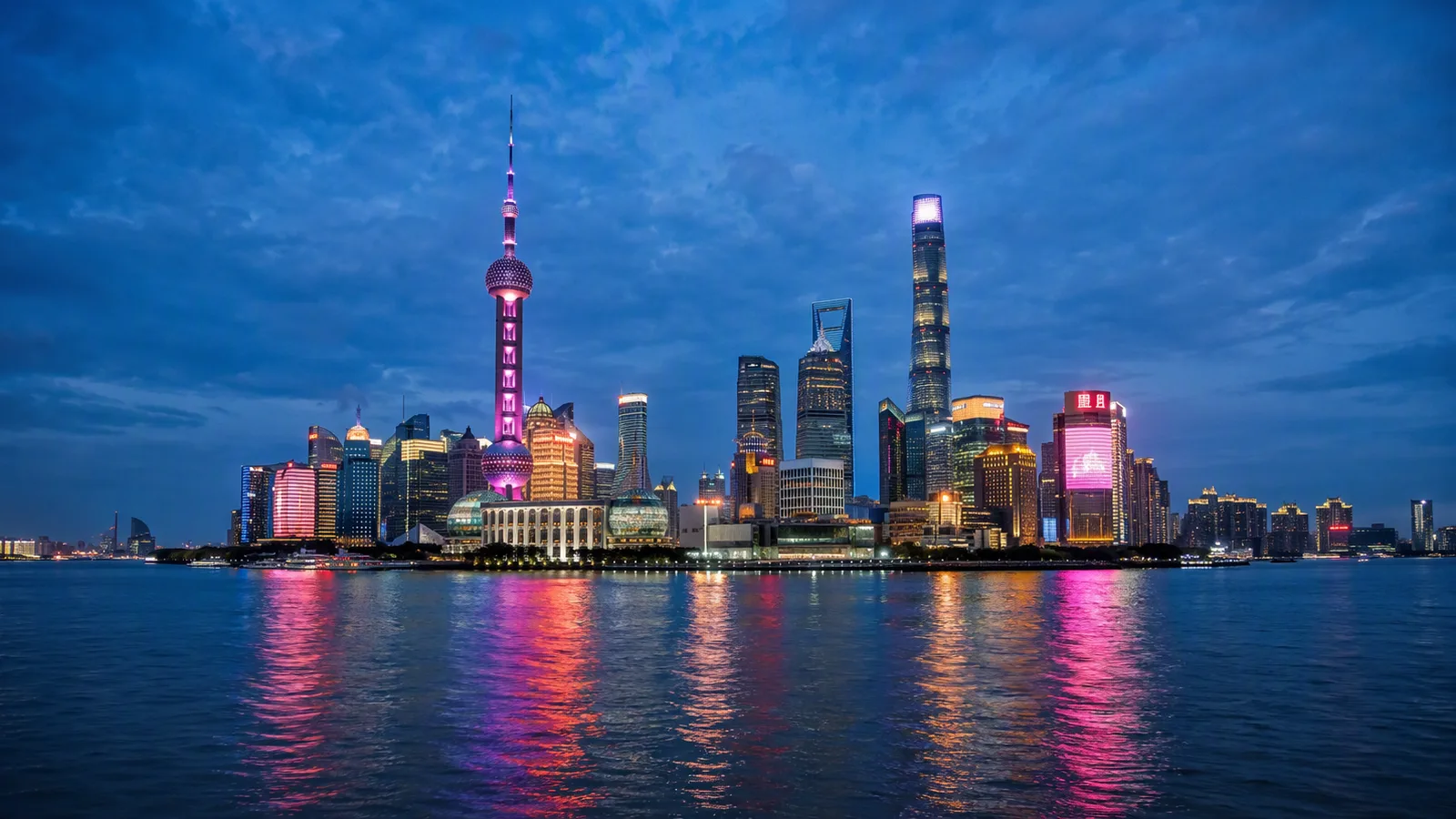
Shanghai is China’s largest and most cosmopolitan city — the colonial-era Bund facing the Pudong skyline, with classical gardens, French Concession lanes and a serious food scene in between. October–November and March–April are the best times to visit.
Shanghai at a glance
| Timezone | CST (UTC+8) |
|---|---|
| Currency | Renminbi (CNY, ¥) |
| Languages | Mandarin, Shanghainese |
| Population | 25 million |
| Coordinates | 31.2304, 121.4737 |
Why visit Shanghai
Shanghai is where China’s past and future face each other across the Huangpu River: the Bund’s 1920s art deco and neoclassical banks on one side, Pudong’s supertall towers on the other. Between them lie the lilong lanes and plane-tree avenues of the former French Concession, classical gardens, a serious dining scene and the country’s best museum. It is also the easiest city in mainland China for first-time visitors — efficient, walkable in parts and well signed in English.
Top sights in Shanghai
The Bund is free and unmissable — walk it at dawn with the tai chi crowd or after dark when both banks light up. Cross the river for the observation decks of Pudong: Shanghai Tower (around ¥180), the Shanghai World Financial Centre and the Oriental Pearl Tower all sell high-altitude views; pick one. Yu Garden (¥40 in season, less off-peak) is a 16th-century classical garden wrapped in the City God Temple bazaar — touristy, but the pavilions and koi ponds are the real thing.
The Shanghai Museum on People’s Square (free, book ahead) holds one of China’s finest collections of bronzes, ceramics, calligraphy and jade. Then spend an afternoon on foot in the former French Concession — Wukang Road, Anfu Road and the lanes around Fuxing Park — and an evening along the riverfront promenades or in a jazz bar that channels the city’s 1930s heyday.

When to visit Shanghai
October and November bring Shanghai’s best weather — mild, drier and often clear — with March and April nearly as pleasant. Summer (June–September) is hot, humid and rainy, with the odd typhoon brushing the coast; winter (December–February) is grey, damp and chillier than the thermometer suggests, as few older buildings have central heating. The month-by-month China weather guide has the full picture.
Where to stay in Shanghai
Stay near People’s Square or Nanjing Road for maximum convenience — metro lines converge here and the Bund is walkable. The former French Concession (Jing’an and Xuhui districts) trades chain hotels for boutique guesthouses and lane-house conversions from around ¥400, surrounded by cafés and restaurants. Lujiazui in Pudong suits business travellers who want the skyline views. Dorm beds run ¥80–150, mid-range doubles ¥400–800, and five-stars with river views start around ¥1,200.

Getting there and around
Pudong Airport (PVG) is the main international gateway. The Maglev train covers the 30km to Longyang Road station in eight minutes at up to 300km/h (around ¥50), where you transfer to the metro; a taxi or Didi to the centre takes about an hour. Hongqiao Airport and the adjoining Hongqiao railway station handle domestic flights and high-speed trains — Beijing in about four and a half hours, Hangzhou in under one, Suzhou in 30 minutes. The metro is one of the world’s largest, with English signage and ¥3–9 fares; buy a transport card or pay by QR code.
Food and drink in Shanghai
Shanghai’s own cuisine is sweet-savoury and soy-braised — hong shao rou (red-braised pork belly), scallion-oil noodles (¥15–25) and river fish. The snacks are famous: xiaolongbao soup dumplings (¥20–40 a steamer) and pan-fried shengjianbao from ¥10. The city is also China’s most international table — every regional Chinese cuisine plus French bakeries, Japanese izakaya and natural-wine bars in the Concession. A local restaurant dinner runs ¥50–100 per person; cocktails in the Bund and Concession bars cost ¥70–120.
Day trips from Shanghai
Suzhou’s classical gardens (30 minutes by high-speed train) and Hangzhou’s West Lake (45–60 minutes) are the classic escapes — both doable in a day. Closer in, the water town of Zhujiajiao sits at the end of a metro line, with Ming-era bridges over canals. Tongli and Zhouzhuang are prettier and busier alternatives reached by bus or tour.
Shanghai travel costs
Shanghai is mainland China’s priciest city, yet still moderate by global standards. Many highlights are free — the Bund, the Concession lanes, Fuxing Park, the river promenades — and the Shanghai Museum is free too. Paid sights are reasonable: Yu Garden ¥40, an observation deck ¥120–180, and evenings spent bar-hopping the Concession. Meals run from ¥10 shengjianbao breakfasts through ¥50–100 local dinners to splurge tables on the Bund. Expect ¥80–150 for a dorm bed, ¥400–800 for a mid-range double and ¥1,200+ for a river-view five-star.
A three-day Shanghai plan
Day one: the Bund at dawn, Nanjing Road, the Shanghai Museum and People’s Square, then back to the riverfront for the night view. Day two: Yu Garden and the City God Temple bazaar in the morning, then across the river to Lujiazui for an observation deck at sunset and dinner in Pudong. Day three: a slow day in the former French Concession — Wukang Road’s villas, Fuxing Park, lane galleries and cafés — with a jazz bar after dark. With a fourth day, take the high-speed train to Suzhou or Hangzhou, or the metro to Zhujiajiao’s canals.
Practical tips for Shanghai
Book the Shanghai Museum and popular observation decks ahead in season, and remember museums close on Mondays. The city is the easiest place in China to go cash-free — Alipay or WeChat Pay linked to a foreign card covers metro, markets and cafés. Rain is possible year-round, so pack a compact umbrella; in summer add serious sun protection and expect air-conditioning everywhere. If you are continuing to Suzhou or Hangzhou by train, buy tickets a few days ahead at weekends.
Also in China

Shanghai travel questions
How many days do you need in Shanghai?
Two to three days covers the highlights: an evening and a morning on the Bund, a Pudong observation deck, Yu Garden and the Shanghai Museum, plus a half-day wandering the former French Concession. Add a day for Suzhou, Hangzhou or a water town.
Is Shanghai expensive to visit?
By Chinese standards yes, by world-city standards no. A dorm bed costs ¥80–150, metro rides ¥3–9, soup dumplings ¥20–40 and a local dinner ¥50–100 per person. Five-star river-view hotels start around ¥1,200 — often less than equivalent rooms in Tokyo or Singapore.
Last reviewed and updated: by the AmazingAsia editorial team. See our editorial policy.