Country guide
China Travel Guide: Ancient walls, megacities and a railway that shrinks a continent
China is East Asia’s giant — home to the Great Wall, the Forbidden City, the Terracotta Army, giant pandas and the world’s largest high-speed rail network. For most of the country, spring (April–May) and autumn (September–October) are the best times to visit.
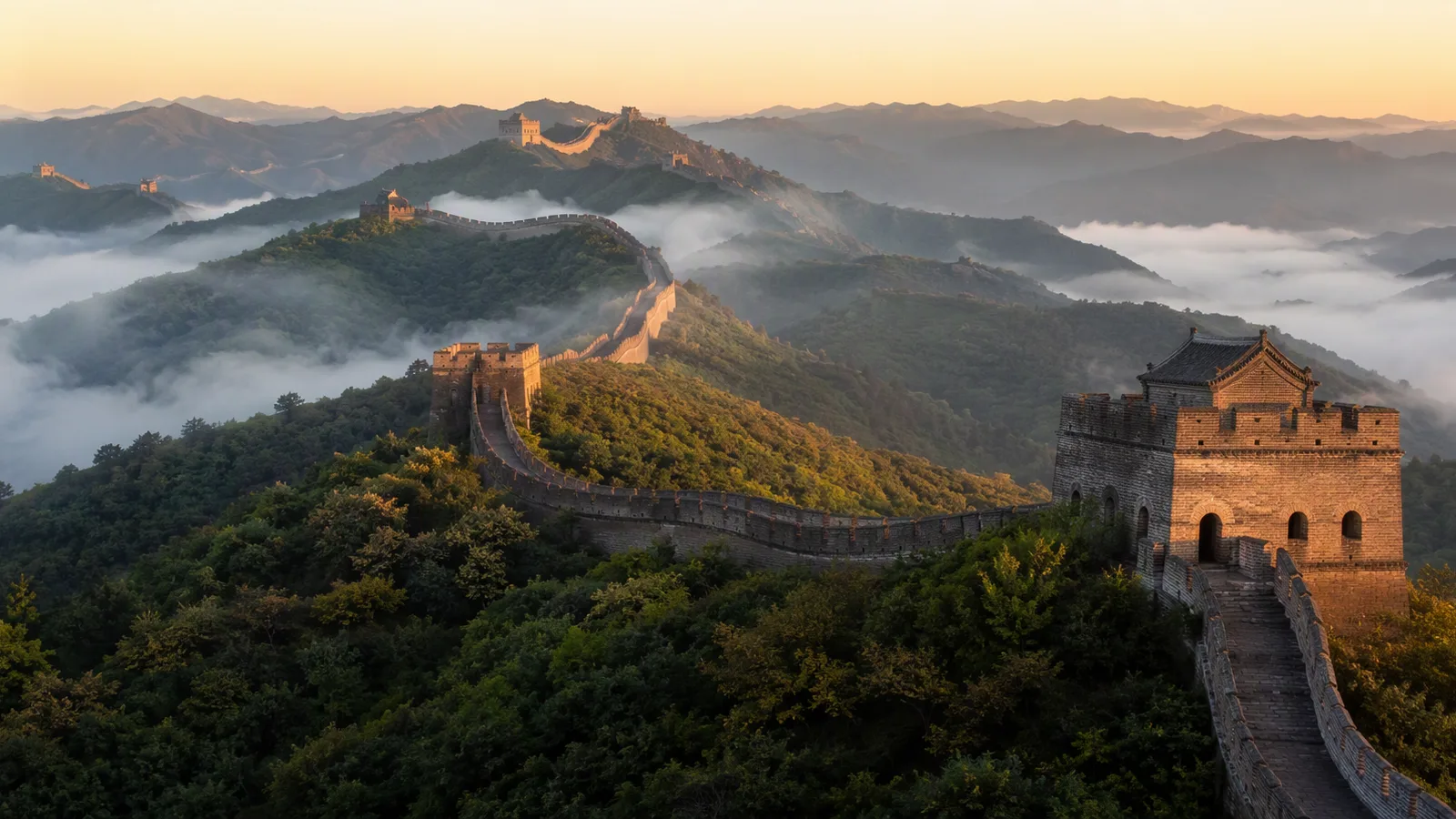
China at a glance
| Timezone | CST (UTC+8) |
|---|---|
| Currency | Renminbi (CNY, ¥) |
| Languages | Mandarin (Putonghua) |
| Population | 1.4 billion |
| Coordinates | 35.8617, 104.1954 |
Why visit China
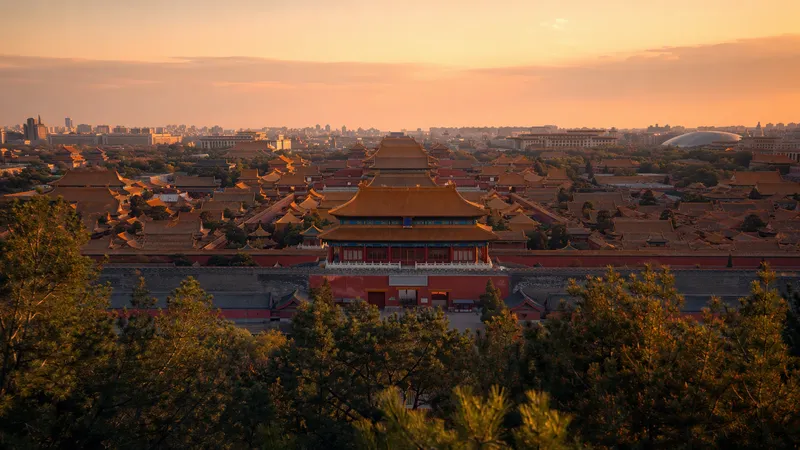
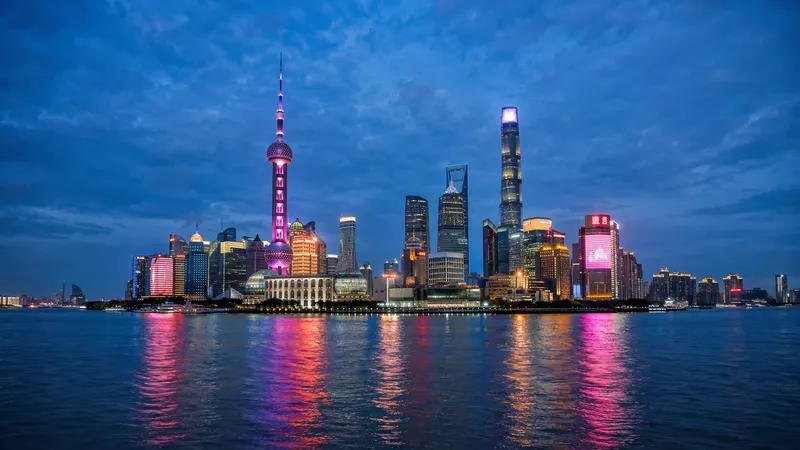
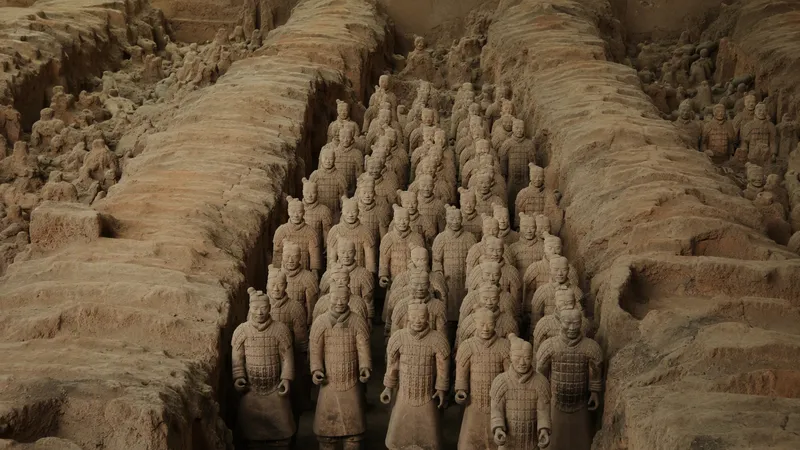
China is the trip that recalibrates your sense of scale. The Great Wall runs for thousands of kilometres over mountain ridgelines; Beijing’s Forbidden City holds nearly a thousand buildings behind its moat; Xi’an’s Terracotta Army has stood guard for more than two millennia. Alongside the antiquity sits the future: Shanghai’s skyline, a high-speed rail network that carries billions of passengers a year, and mobile payments so universal that cash is becoming rare. Add giant pandas in Chengdu, the karst rivers of Guilin and some of the world’s great cuisines, and the hardest part is choosing what to leave out.

When to visit China
China is continental in size, so the best month depends on where you are headed — but for the classic Beijing–Xi’an–Shanghai route, spring (April–May) and autumn (September–October) bring mild temperatures and clearer skies across the board. Summer is hot and humid in the east and south, and winter is bitingly cold in the north, though Harbin’s ice festival makes January worth the freeze.
Two holiday periods reshape the country: Chinese New Year (late January or February), when hundreds of millions travel home and transport sells out, and National Day Golden Week (1–7 October), when domestic tourism peaks. Both are fascinating and exhausting in equal measure — book everything far ahead or avoid them entirely. Read the full month-by-month guide to the best time to visit China.

Where to go in China
First-timers usually follow the golden triangle. Beijing delivers the Forbidden City, the Temple of Heaven, hutong alleys and day trips to the Great Wall. A high-speed train south reaches Xi’an, home of the Terracotta Army and a complete Ming-era city wall. Shanghai rounds it out with the Bund, the former French Concession and easy side trips to the water towns and gardens of Suzhou and Hangzhou.
With more time, Chengdu adds giant pandas, teahouse culture and Sichuan’s famously numbing food. Beyond the cities, Guilin and Yangshuo’s karst rivers, Zhangjiajie’s sandstone pillars, Yunnan’s old towns and mountain trails, and the Silk Road deserts of Gansu and Xinjiang reward travellers who venture further.
China travel costs
As a rule of thumb, ¥100 is about AU$21. China is no longer the bargain it was a decade ago, but it remains good value — especially transport and food. Big-city hotels and famous sights cost the most; second-tier cities and provincial towns stay cheap.
| Backpacker | ¥250–400 / day (~AU$50–85): hostel dorms, street food and noodle shops, metros and hard-sleeper trains |
|---|---|
| Mid-range | ¥700–1,200 / day (~AU$150–250): three- and four-star hotels, restaurant meals, high-speed rail, paid sights |
| Comfort | ¥2,000+ / day (~AU$420+): five-star hotels, private drivers, business-class rail and guided tours |
Typical prices: a dorm bed ¥60–120, a bowl of noodles ¥15–30, a restaurant meal ¥40–80 per person, a metro ride ¥3–9, a high-speed train Beijing–Shanghai from around ¥550 in second class, and entry to major sights ¥30–120 — the Forbidden City ¥60 in high season, the Terracotta Army ¥120.
Getting around China
High-speed rail is the star: clean, punctual trains linking almost every city worth visiting at up to 350km/h. Beijing to Shanghai takes about four and a half hours; Beijing to Xi’an under five. Book through the official 12306 app or Trip.com — seats are numbered and popular routes sell out at holiday times. Slower overnight sleeper trains remain a budget classic on long hauls.
Within cities, metros are extensive, signed in English and cost ¥3–9 a ride. Didi (China’s ride-hailing app) is cheap and has an English interface; regular taxis use meters but drivers rarely speak English — have your destination written in Chinese. Domestic flights are frequent and competitive for the longest hops, and airport express trains or metros serve most major airports.
Food and drink in China
“Chinese food” is really eight great regional cuisines and dozens of smaller ones. Beijing does roast duck and wheat-based noodles and dumplings; Sichuan and Hunan bring the heat (Sichuan adds the tingle of peppercorns); Cantonese cooking gives you dim sum and roast meats; Shanghai favours sweet-savoury braises and soup dumplings; Xi’an and the northwest run on lamb, hand-pulled noodles and flatbreads.
Street food and small eateries are outstanding value — ¥15–30 buys a filling bowl of noodles or a plate of dumplings, and night markets can feed you for less. Restaurant meals run ¥40–100 per person at local places, more in hotel dining rooms. Tea is the national drink, but coffee culture has taken hold in the big cities. Tap water is not drinkable; boiled or bottled water is the norm.
Suggested itineraries
One week: the golden triangle — Beijing three nights (Forbidden City, hutongs, a Great Wall day trip), high-speed train to Xi’an for two nights (Terracotta Army, city wall), train or flight to Shanghai for two nights (the Bund, Yu Garden, French Concession).
Two weeks: add Chengdu for pandas and hotpot, then Guilin and Yangshuo for karst scenery before finishing in Shanghai or Hong Kong.
Three weeks or more: work in Yunnan (Kunming, Dali, Lijiang), Zhangjiajie’s pillar mountains, or the Silk Road corridor from Xi’an to Dunhuang.
Money, SIMs and practicalities
China runs on mobile payment: Alipay and WeChat Pay are accepted from luxury malls to hole-in-the-wall dumpling shops, and both now link to foreign cards — set one up before you land. Cash (renminbi) is legal tender everywhere and worth carrying as backup, while foreign credit cards work mainly at hotels and upmarket shops. ATMs from the big banks accept foreign cards.
Many nationalities — Australians included — can currently enter visa-free for short stays, typically up to 30 days, while others use the 144/240-hour transit-without-visa schemes or apply for a tourist visa in advance. Rules change regularly, so confirm your eligibility with an official source before booking. The internet is filtered: Google, Instagram, WhatsApp and many news sites are blocked, so install and test a VPN before arrival. Buy a local SIM or eSIM at the airport (China Mobile, China Unicom and China Telecom all sell tourist packages), carry your passport — it is your ID for train tickets, hotel check-in and museum entry — and note that major museums usually close on Mondays.
Health and safety in China
China is one of Asia’s safest countries for travellers: violent crime against visitors is rare, and the main risks are traffic, scooter-on-sidewalk encounters and the occasional taxi overcharge — use Didi or insist on the meter. Tap water is not drinkable anywhere; bottled water is cheap and universal. Air quality has improved markedly but winter smog still occurs in the north — sensitive travellers can check AQI apps and carry a mask in December–February. Travel insurance with medical cover is essential, and the larger international hospitals in Beijing and Shanghai have English-speaking clinics. Pharmacies are widespread, though Western brand medications can be hard to find — bring prescriptions with you.
Festivals and events in China
Chinese New Year (late January–February) is the world’s largest annual migration: fireworks, temple fairs and family reunions, but also sold-out trains and closed small businesses for a week or more. National Day Golden Week (1–7 October) and the shorter May Day holiday see every famous sight at maximum capacity. The Mid-Autumn Festival (September–October) brings mooncakes and lanterns, dragon boat races mark the June Duanwu festival, and Harbin’s Ice and Snow Festival fills January and February with illuminated ice architecture. Lunar festival dates shift each year — check before locking in flights.
Destinations in China

China travel questions
What is the best month to visit China?
April, May, September and October are the best months for the classic Beijing–Xi’an–Shanghai route — mild temperatures, less rain and clearer skies. October’s first week is National Day Golden Week, when crowds surge, so aim for mid-September or late October if you can.
Do Australians need a visa for China?
Australians can currently enter China visa-free for short stays of up to 30 days. Several other nationalities have similar arrangements, and 144/240-hour transit-without-visa schemes cover many more. Rules change regularly — confirm with an official Chinese government source before booking.
Last reviewed and updated: by the AmazingAsia editorial team. See our editorial policy.