Japan travel guide
Two Weeks in Japan: The Classic Route
The classic first-timer route: Tokyo (4 nights), Hakone (1), Kyoto (4, with a Nara day trip), Osaka (2), Hiroshima and Miyajima (2), back to Tokyo. A 7-day JR Pass (from 50,000 yen) used for the Kyoto–Hiroshima–Tokyo week saves money. Shorter on time? The 7 and 10-day versions below cut from the ends.
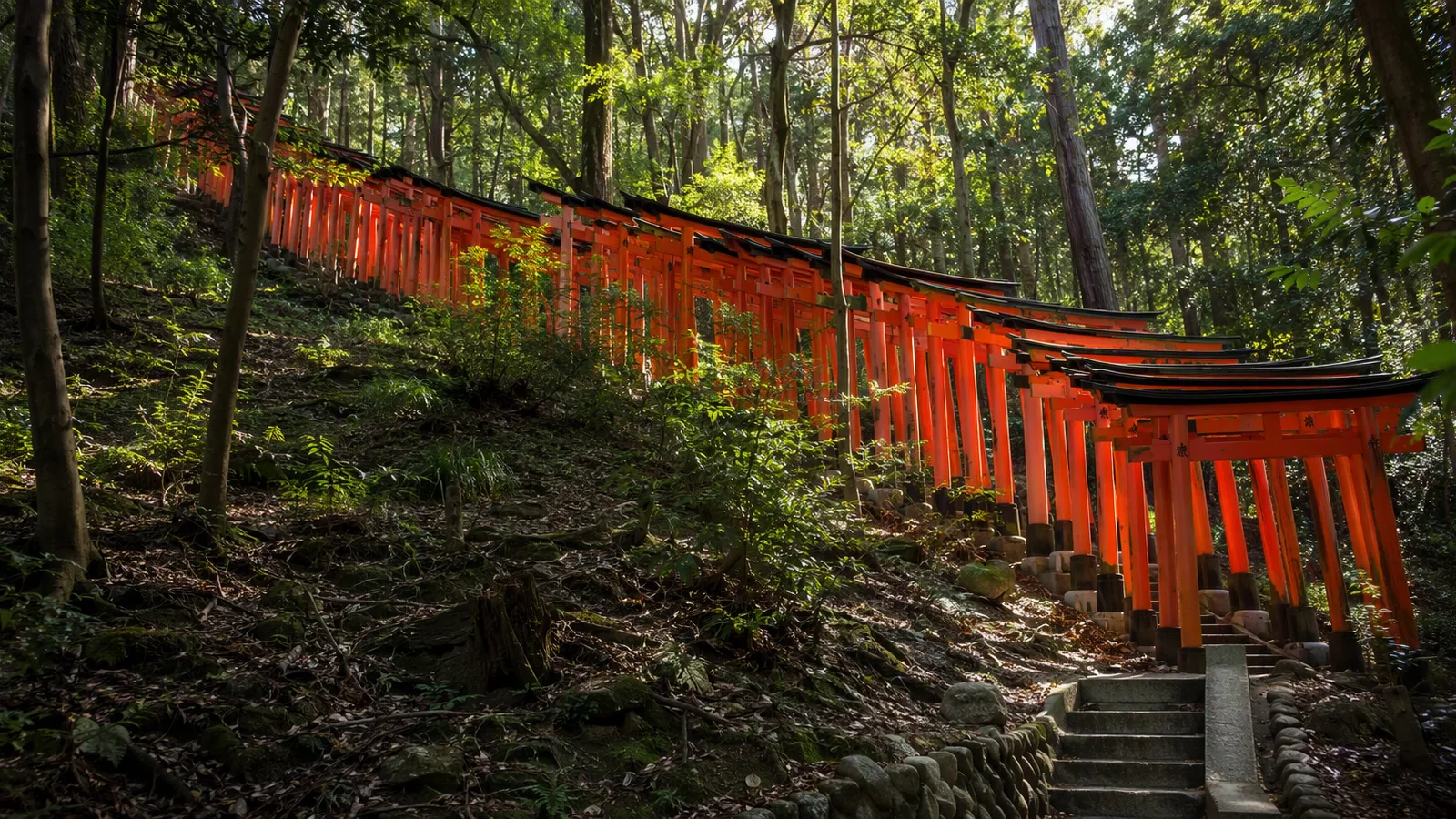
Fourteen days at a glance
| Days 1–4 | Tokyo — Shinjuku, Asakusa, teamLab, a day trip (Nikko or Kamakura) |
|---|---|
| Day 5 | Hakone — onsen night, Open-Air Museum, Fuji views |
| Days 6–9 | Kyoto — Arashiyama, Fushimi Inari, Higashiyama; day trip to Nara |
| Days 10–11 | Osaka — Dotonbori, castle, street food |
| Days 12–13 | Hiroshima + Miyajima — Peace Park, floating torii |
| Day 14 | Shinkansen back to Tokyo; fly out |
Days 1–4: Tokyo
Give Tokyo four nights — it is a dozen cities in one. Base in Shinjuku or Ueno for transport. Slot one day trip: Nikko for shrines, Kamakura for the Great Buddha. Details in our 3-day Tokyo itinerary and day trips guide.
Day 5: Hakone
Ninety minutes from Shinjuku on the Romancecar. Sleep in a ryokan with an onsen (from ~20,000 yen per person with dinner and breakfast), loop the Open-Air Museum and the lake, hope for Fuji. Our Hakone guide has the loop order.
Days 6–9: Kyoto and Nara
Take the shinkansen from Odawara (Hakone’s rail gateway) to Kyoto — this is the leg where the JR Pass clock starts. Four nights covers Arashiyama at opening time, Fushimi Inari before 8 am, the Higashiyama lanes, and a half-day among Nara’s deer and the Great Buddha (45 minutes by JR). See the 3-day Kyoto itinerary.
Days 10–11: Osaka
Thirty minutes by JR special rapid (580 yen) — treat Osaka as an evening-first city: Dotonbori at dusk, kushikatsu in Shinsekai, the castle in the morning. Our Osaka itinerary covers it.
Days 12–13: Hiroshima and Miyajima
Ninety minutes by Sakura shinkansen from Shin-Osaka. Peace Memorial Park and museum on day 12 (museum ~200 yen, allow two hours); Miyajima’s floating torii and Daisho-in on day 13 — JR train plus ferry, both pass-covered. Check the tide: the gate floats at high tide. Our Osaka to Hiroshima guide has the timings.
Day 14 and the JR Pass maths
Hiroshima back to Tokyo is about four hours by shinkansen — a long but easy final ride. Price check: Tokyo→Kyoto (~14,500 yen), Kyoto→Hiroshima via Osaka, and Hiroshima→Tokyo (~19,500 yen) together exceed the 7-day JR Pass (from 50,000 yen), so activate the pass on day 6 and let it expire after day 12’s travel — or day 14 if you activate later.
The 10-day and 7-day versions
10 days: Tokyo 3, Hakone 1, Kyoto 3, Nara day trip, Osaka 2, fly out of Kansai — skip Hiroshima. 7 days: Tokyo 3 (with one day trip), Kyoto 3, Osaka 1, open-jaw flights. Both work without a pass; point-to-point tickets are cheaper at this length.
Practical notes
Book popular ryokan and teamLab-type timed tickets weeks ahead. Carry some cash — smaller temples and ramen counters still run on it. Cherry blossom (late March–early April) and autumn colour (mid-late November) are superb but crowded; May and October are the value sweet spots. More in our best time to visit Japan guide.
Keep planning Japan



Japan itinerary — FAQs
Is 2 weeks enough for Japan?
Yes — two weeks covers Tokyo, Hakone, Kyoto, Nara, Osaka and Hiroshima at a comfortable pace. It is the most popular first-trip length and the point where a 7-day rail pass starts saving money.
Is the JR Pass worth it for a 2-week Japan trip?
Used for the Kyoto–Hiroshima–Tokyo week, yes: those shinkansen legs alone exceed the 50,000 yen pass price. Activate it on the day you leave Tokyo for Kyoto.
How much does 2 weeks in Japan cost?
A mid-range traveller should budget roughly 25,000–35,000 yen (~A$250–350) per day per person including hotels, food, transport and sights — less for hostel-style travel, more for ryokan nights.
Last reviewed and updated: by the AmazingAsia editorial team. See our editorial policy.